
Explore the rich history of the Canton de Champlain, from its early settlement along the Ottawa River to the heritage landmarks and cultural institutions that continue to preserve our community's story today.
Acknowledgement Statement
We, Champlain Township, are a community located in the rich basin of Kichisìpi - the Big River, where First Peoples have lived, gathered, and prospered since time immemorial.
We are grateful to our nation’s First Peoples for their cultural stewardship of the Ottawa riverlands and welcome their knowledge and wisdom on matters of community interest.
Champlain Township acknowledges that we are located on the unceded traditional territory of the Anishinaabe Algonquin People of the Ottawa River. Furthermore, we acknowledge the lands which we call home have deep spiritual and historical connections to both the Anishinaabe Algonquin Peoples and the Kanienʼkehá:ka Mohawk Peoples of Akwesasne. Champlain Township is committed to building a strong relationship with these and other Indigenous Nations who call Eastern Ontario home.
History of Champlain Township
Nestled along the scenic Ottawa River in Eastern Ontario, the Township of Champlain blends centuries of Franco‑Ontarian, Loyalist, and rural heritage in the heart of the United Counties of Prescott and Russell. The township was officially formed on January 1, 1998, through the province’s municipal restructuring, which brought together four historic and culturally significant municipalities:
- the Village of L’Orignal,
- the Town of Vankleek Hill,
- the Township of West Hawkesbury, and
- the Township of Longueuil.
This amalgamation recognised the region’s shared heritage, geography, and long‑standing social and economic ties. Today Champlain is known for its Victorian‑era architecture, rich agricultural lands, deep‑rooted French and English traditions, and its location as a rural‑urban gateway between Ottawa and Montréal.
The broader Prescott and Russell area has deep colonial and cultural roots. Loyalist migration in the late 1700s helped shape the settlement patterns of the region, while the legacy of French seigneurial landholding is still visible in its oldest communities. Early administrative development centred around river‑based trade and justice institutions, such as the courthouse and jail established in L’Orignal in the early 19th century, which became focal points for regional governance and law. Agricultural settlements flourished along fertile river plains, creating strong rural communities that have endured into the present day.
Our Founding Communities
Village of L’Orignal
L’Orignal is one of the oldest European settlements in Ontario and once served as the judicial centre of the Ottawa District.
Located on the south shore of the Ottawa River, the village of L’Orignal corresponds today to Ward 2 of the Township of Champlain. Its origins date back to 1674, when the seigneury of Pointe à L’Orignac was granted to François Prévost. In 1796, American civil engineer and surveyor Nathaniel Hazard Treadwell acquired the seigneury and encouraged settlers from New England to establish themselves in the area, helping to shape the early development of the community.
Settlement expanded in the early 19th century, and L’Orignal was established as a parish in 1836. In 1816, it was designated as the administrative seat of the Ottawa District, reinforcing its importance within the region. The village was officially incorporated in 1876 and continued to grow as a civic and administrative hub.
The L’Orignal Courthouse, recognized as the oldest courthouse still in operation in Ontario, remains a key site for the administration of provincial justice. The adjacent county jail, later converted into a provincial facility in 1968, closed in 1998 and has since been repurposed as a museum. In 2025, the building marks its 200th anniversary, underscoring its historical significance. Together, these landmarks form one of the most notable heritage sites in Eastern Ontario.
Over the course of the 19th century, L’Orignal solidified its role as an administrative centre. It remains the seat of the United Counties of Prescott and Russell and continued as an independent municipality until the municipal amalgamation of 1998.
Town of Vankleek Hill
Vankleek Hill is often called the Gingerbread Capital of Ontario due to its ornate Victorian era buildings.
Vankleek Hill emerged from the earliest Loyalist settlement in West Hawkesbury Township with its origins tied directly to United Empire Loyalist settlers. Around 1797, Simeon Van Kleeck and his son Simeon Jr began clearing land on what became known locally as Van Kleeck’s Hill, a raised area midway between the Ottawa River and the St. Lawrence River that offered easy access to roads linking the two major waterways. From their home, Simeon and his wife Cecilia operated an inn catering to travellers moving between river ports and inland villages, laying the foundation for a community that would grow over the next century through farming, trade and services for surrounding rural areas.
Because of its advantageous location at a crossroads of early travel routes and its connection to surrounding farms, the area attracted blacksmiths, merchants and service businesses that bolstered the local economy. By the 1890s, Vankleek Hill had evolved into a thriving centre of commerce and community life, with new technologies such as the telegraph, telephone and rail links extending its reach and boosting local prosperity.
Rising population and growing business activity prompted Vankleek Hill to incorporate as a town on May 17, 1897, marking the start of its own municipal government. The town became known for its Victorian era architecture, with brick buildings and intricate decorative woodwork along Main Street and surrounding areas, reflecting the community’s prosperity and craftsmanship during its development.
By the late 20th century Vankleek Hill was known for its cultural vitality, community organisations and celebrations of local history. With the formation of Champlain Township, Vankleek Hill became Ward 1 of the new municipality, contributing its deep Loyalist roots, rural service heritage and vibrant architectural identity to the story of the broader region.
Township of Longueuil
The Township of Longueuil is defined by its strong Francophone heritage and rural character. Settlement began in the late 18th century, and the township was officially established on January 1, 1850, under Ontario’s Baldwin Act.
Longueuil developed primarily as an agricultural community, with family farms, local roads, and small settlements forming the backbone of its economy. Throughout the 19th and 20th centuries, residents maintained and passed down their Francophone cultural traditions.
The township remained independent until it was amalgamated into the Township of Champlain, contributing its agricultural landscape and enduring Francophone identity to the newly formed municipality.
Township of West Hawkesbury
The Township of West Hawkesbury grew out of the early territorial divisions of Prescott County. Originally part of the larger Hawkesbury Township, it was born in 1844 when the original township was split into East and West under Ontario’s municipal structure. The region encompassed fertile agricultural land, mills, and rural settlements, including the hinterland around Vankleek Hill and other communities, which supported local commerce and farm activity throughout the 19th century.
West Hawkesbury’s identity was shaped by its rural economy and close social ties among families living in the river valley and inland concessions. It continued to function as a distinct township until the province’s municipal reforms resulted in its consolidation into Champlain Township on January 1, 1998, uniting its agricultural heritage with that of its neighbouring townships and villages.
Champlain Township Today
Today, Champlain Township is recognized for its architectural heritage, vibrant arts and cultural scene, and strong agricultural foundation.
Historic landmarks, scenic landscapes, and community traditions continue to reflect a rich and diverse history shaped over more than three centuries.
Heritage Sites & Museums
The township of Champlain is home to a rich and diverse heritage shaped by Indigenous peoples, early settlers, agriculture, commerce, and life along the Ottawa River. Throughout the community, historic landmarks, museums, and preserved heritage sites help tell the stories of the people and events that have contributed to the region's development.
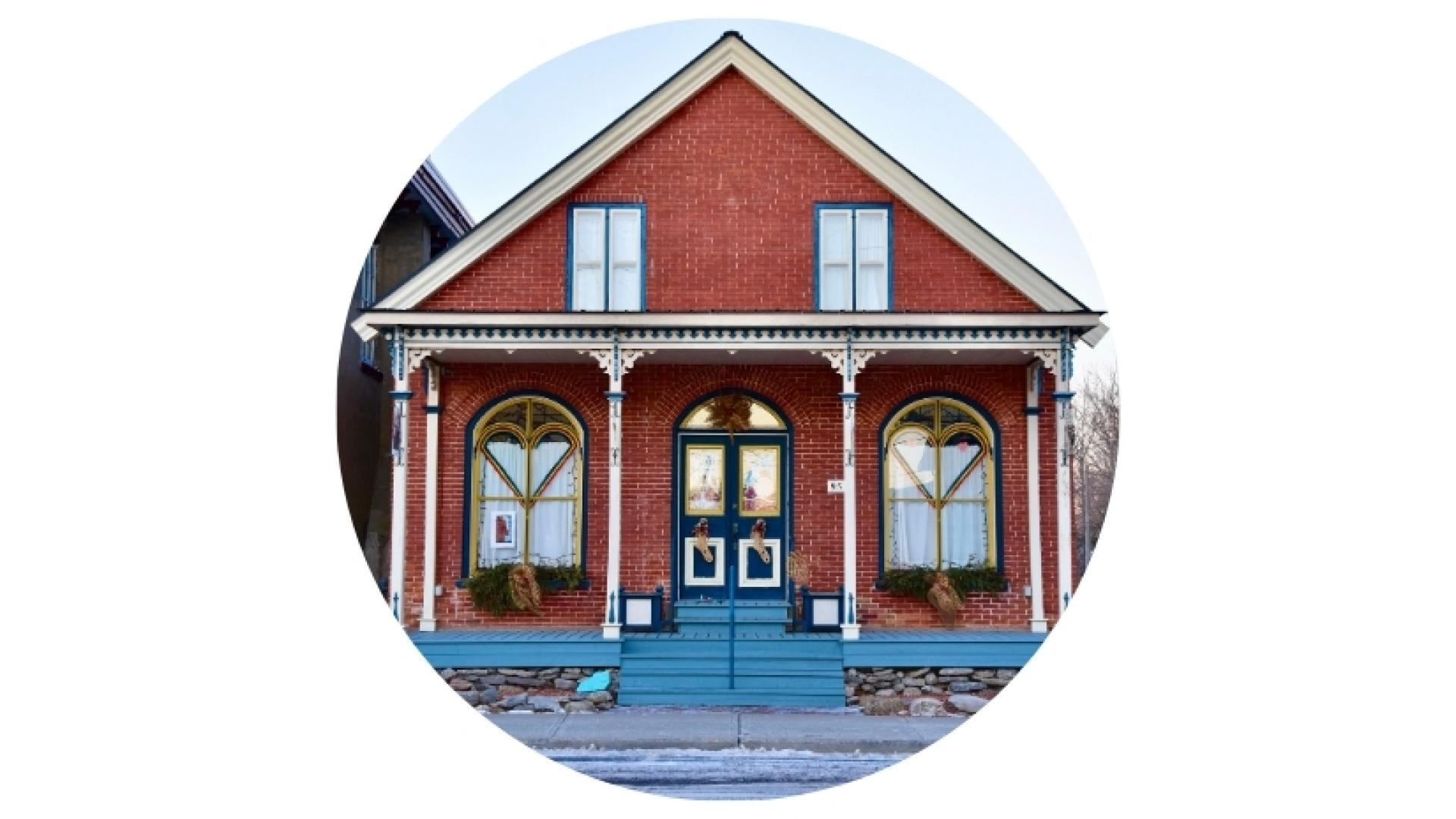
Vankleek Hill Museum
Step back in time and discover the stories that shaped Vankleek Hill and the surrounding area. Housed in a restored 1834 general store, the Vankleek Hill Museum preserves and interprets local history through exhibits, artifacts, photographs, and archival collections. The museum highlights the community's founding, settlement, and development from the late 1700s through the early 20th century.
Location: 95 Main Street East, Vankleek Hill
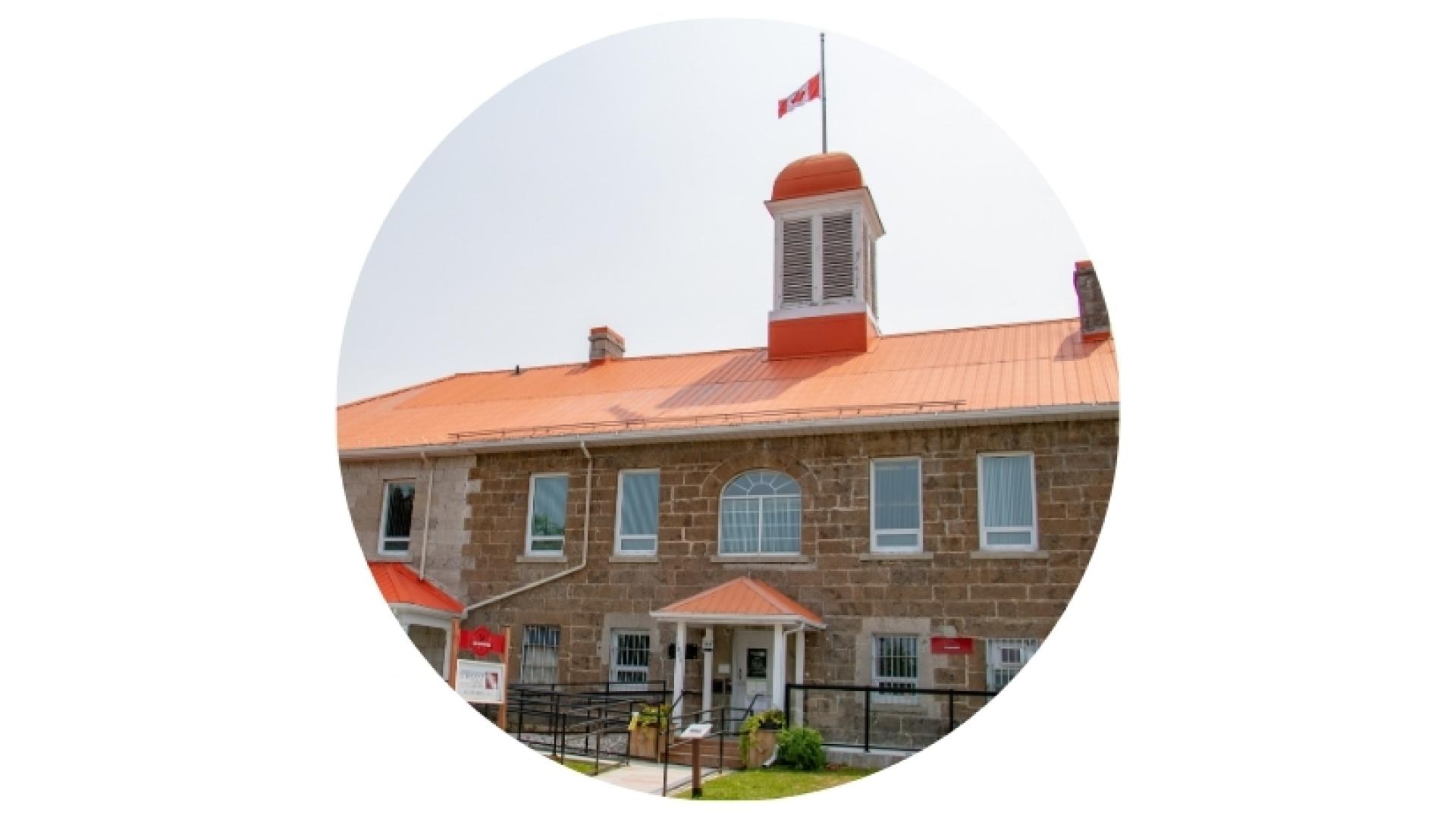
L'Orignal Old Jail
Built between 1824 and 1825, the L'Orignal Old Jail is one of Canada's oldest surviving jails and one of Eastern Ontario's most significant historic sites. Open to visitors through guided tours, the jail offers a fascinating look at nineteenth-century justice, prison life, and local history. Its preserved cells, historic courtroom, and intriguing stories have made it a popular destination for history enthusiasts and curious visitors alike.
Location: 1023 Queen Street, L'Orignal
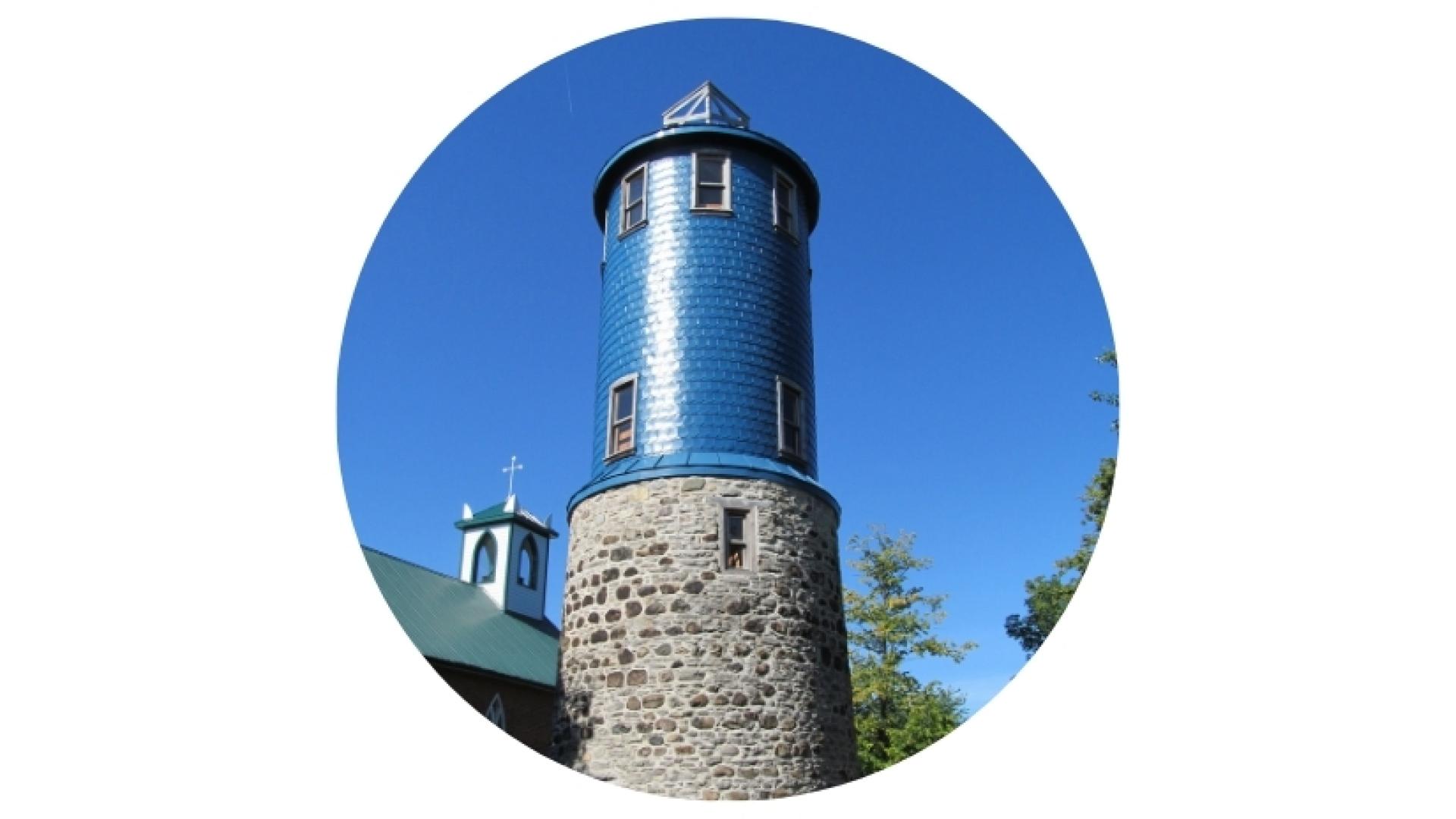
Higginson Tower
One of Champlain's most unique heritage landmarks, Higginson Tower was originally constructed in the 1830s as a windmill by Lieutenant-Colonel Thomas Higginson. When the windmill proved impractical, it was transformed into one of Eastern Ontario's earliest private observatories. Today, visitors can explore the restored stone tower, learn about local history through interpretive exhibits, and enjoy panoramic views of the surrounding countryside.
Location: 5849 Highway 34, Vankleek Hill
Sources
Historical information on this page was compiled from resources provided by the Ontario Heritage Trust and the Vankleek Hill Museum, accessed in 2026.